
Ant control in Hobart, by the ant specialists.
Argentine ants in the garden, black ants in the roof, jack jumpers by the back step. We treat them differently because they live differently, and our prices are fixed and published.
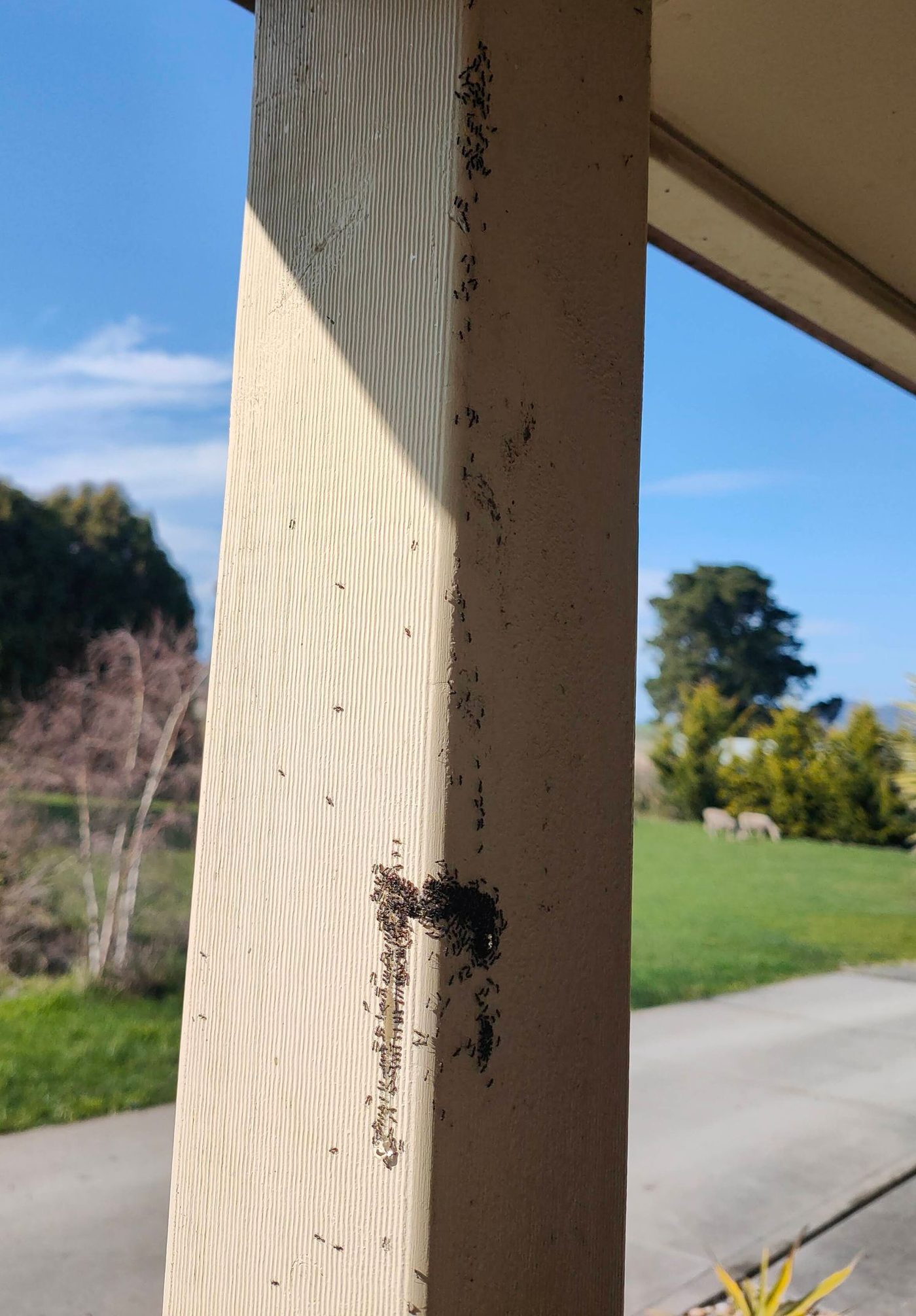
Four common Tasmanian ants, to scale.
Pick one to see where it nests and what the treatment costs.
Argentine ant
Linepithema humileUnder 3 mm, light brown
- Nests
- Almost anywhere in the garden: cracks in paths, leaf piles and timber, sometimes walls. Separate nests join into super-colonies.
- Why it matters
- Comes inside for food left out or for water, or when its nest has been flooded or dug up.
Black house ants
Lasius niger and relatives2 to 9 mm, black
- Nests
- Roof spaces and wall cavities, toilet cisterns, shower rails and light fittings. Common in cathedral-ceiling and flat-roof houses.
- Why it matters
- Climbs fences and hedges to get in, and has been known to short out appliances and break light fittings.
Jack jumper
Myrmecia pilosula12 to 14 mm, black with orange legs
- Nests
- Small dirt mounds or sand in yards, mostly rural, sometimes suburban. Fast, territorial, jumps short distances.
- Why it matters
- Not an indoor ant, but its sting can cause an allergic reaction and in severe cases can be fatal. Keep clear of the nest.
Inchman ant
Myrmecia forficata14 to 18 mm, queens to 24 mm
- Nests
- Found only in Tasmania. Nests in dirt, under rocks and trees in bushland; seen in gardens on the bush edge.
- Why it matters
- Aggressive, and known to bite people and pets. The bite is painful but not known to kill.
The ant notes.
Tasmania has more than 140 species. Around the house you mostly meet two: the Argentine ant and the black house ant.
| Ant | Size | Where it nests | What to know |
|---|---|---|---|
| Argentine antLinepithema humile | Under 3 mm, light brown | Almost anywhere in the garden: cracks in paths, leaf piles and timber, sometimes walls. Separate nests join into super-colonies. | Comes inside for food left out or for water, or when its nest has been flooded or dug up. |
| Black house antsLasius niger and relatives | 2 to 9 mm, black | Roof spaces and wall cavities, toilet cisterns, shower rails and light fittings. Common in cathedral-ceiling and flat-roof houses. | Climbs fences and hedges to get in, and has been known to short out appliances and break light fittings. |
| Jack jumperMyrmecia pilosula | 12 to 14 mm, black with orange legs | Small dirt mounds or sand in yards, mostly rural, sometimes suburban. Fast, territorial, jumps short distances. | Not an indoor ant, but its sting can cause an allergic reaction and in severe cases can be fatal. Keep clear of the nest. |
| Inchman antMyrmecia forficata | 14 to 18 mm, queens to 24 mm | Found only in Tasmania. Nests in dirt, under rocks and trees in bushland; seen in gardens on the bush edge. | Aggressive, and known to bite people and pets. The bite is painful but not known to kill. |
| Sugar antalso called pissant or bull ant | Large, black and orange | Gardens in town and country, feeding on nectar and tree sap. Busiest at night and in the warmer months. | Forages for sweet food inside. Often mistaken for the more aggressive bull ant, but not dangerous to people. |
Ant treatment prices.
Our published fixed prices. Tell us which ant you think it is when you call; we always start with an inspection.
Argentine ants
Small light-brown ants that build super-colonies across a yard.
$220Black and other ants
Roof spaces, wall cavities, bathrooms and light fittings.
$270Ants with spiders or millipedes
Both treatments in one visit.
$290From our current price list.
Where we find them.
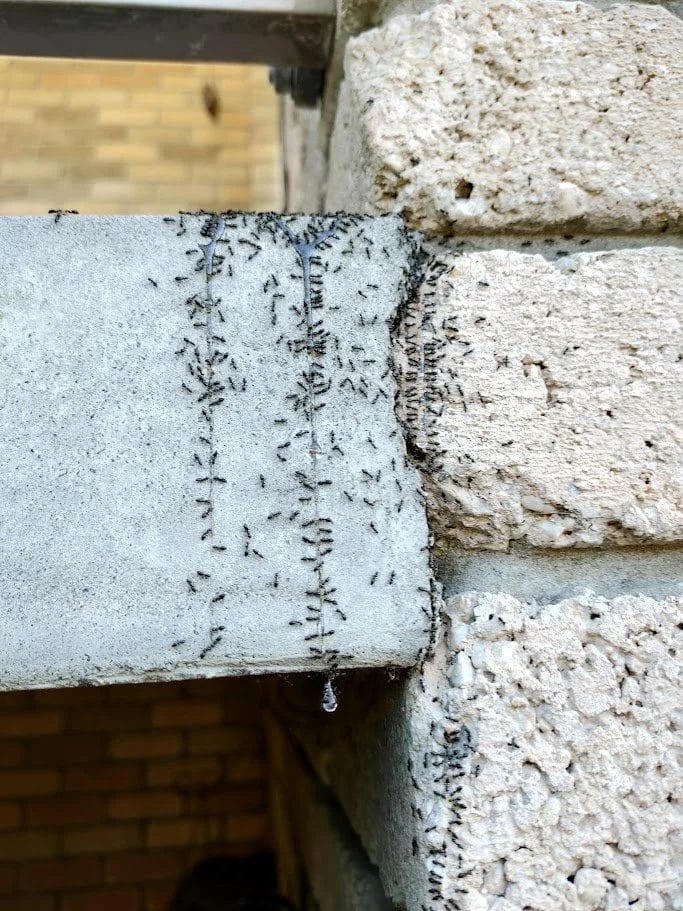
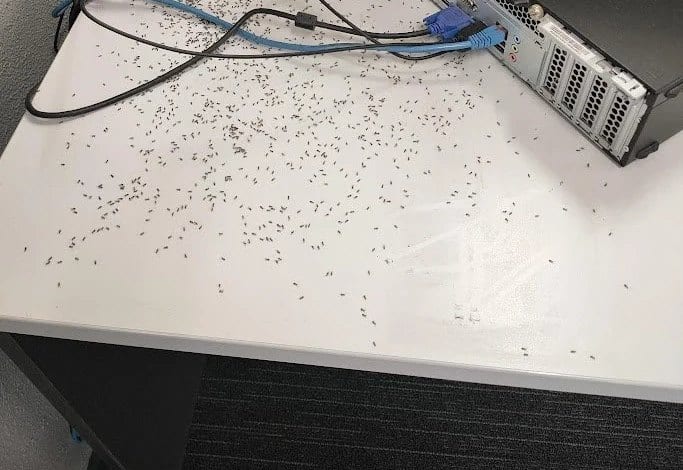
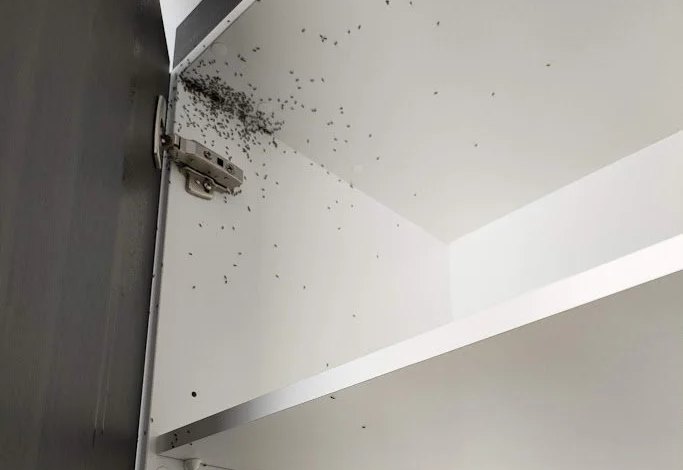
Describe the ant, get a fixed price.
Describe the ant, get a fixed price. Monday to Friday, 8am to 5pm.
0432 210 004Tell us what you are seeing and where. Different pests need different treatments, and knowing ahead can make the visit quicker.